News
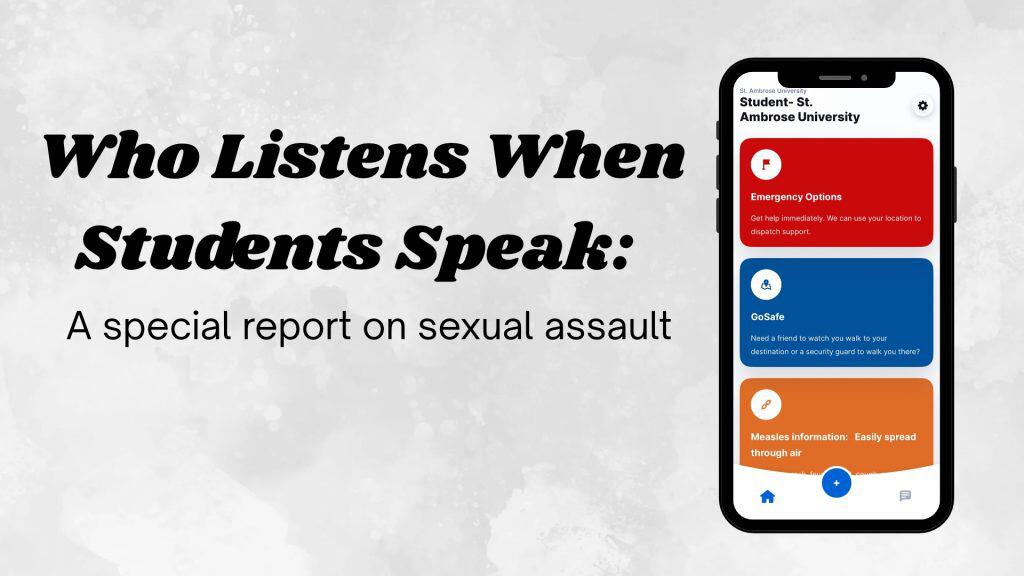
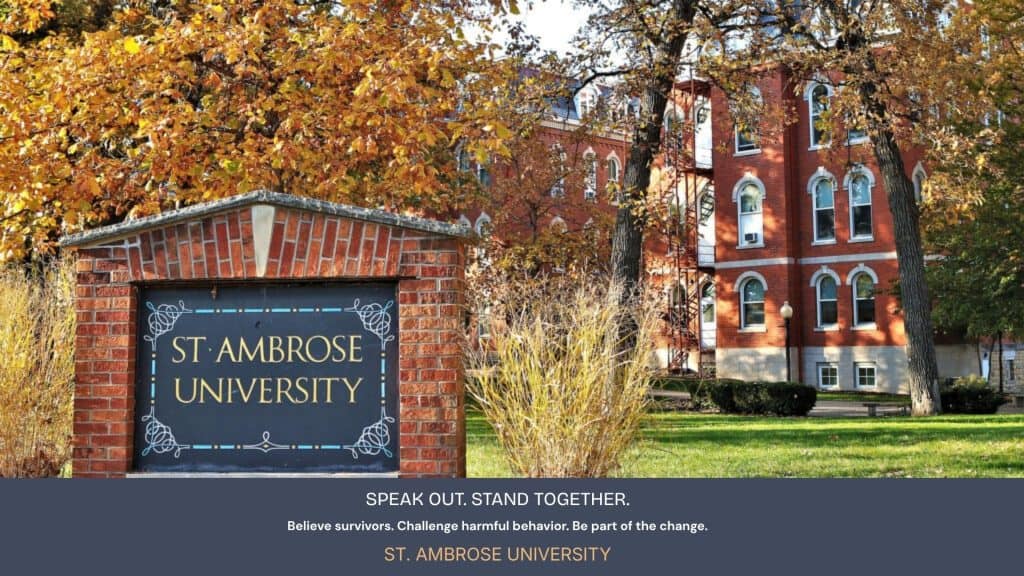
When students report sexual assault, who listens—and what happens next? The Buzz examines St. Ambrose University’s reporting process, survivor resources, and prevention efforts, alongside questions about transparency in campus investigations.
From handwritten workbooks to chatbot conversations with Julius Caesar, SAU professors are rethinking how they teach in the age of AI. In the second installment of “AI at Ambrose,” faculty and students explore what these changes mean for learning—and who’s doing the thinking.
With the 2026 midterms days away, SAU students share frustration with negative political ads, concerns about a divided country and mixed feelings about following the election.
For St. Ambrose's first-time student voters, casting a ballot is a chance to make their voices heard. From rising grocery and housing costs to concerns about fundamental rights, freshmen are heading into the Nov. 3 election hoping their votes can help shape their futures.
The Cornell 7 case has SAU students discussing consent, campus safety and accountability. Students share their concerns about supporting survivors, recognizing when someone cannot consent and stepping in when a friend’s behavior puts others at risk.
For SAU students, voting takes more than choosing a candidate. From navigating absentee ballots and residency requirements to finding time to travel home, students share the challenges of making their voices heard this Election Day.
Sydney Sweeney’s Novig advertisement has SAU athletes divided over marketing and the portrayal of women in sports. Some see an attention-grabbing success, while others say it reinforces a focus on women’s bodies rather than their athletic abilities.
St. Ambrose and Mount Mercy students and faculty are adjusting to the realities of the universities’ merger, from shared classes and technology changes to concerns about Mount Mercy’s identity. While some see expanded programs and resources ahead, others are still waiting for answers as the transition continues.
In the first installment of his four-part series AI at Ambrose, George Coin examines how St. Ambrose students are using artificial intelligence in their academic work—and where they draw the line between using AI as a helpful learning tool and using it in ways that could be considered cheating.
Grant Ward’s final installment widens the focus from campus reactions to the larger ICE debate, covering how the Davenport Aldermen discussion began, recent detainee deaths, and the agency’s expanding deployments. It also notes that 330 ICE agents are being sent to more than 40 states and Puerto Rico, with Texas receiving the largest share and several other cities and towns also targeted.