As graduation approaches, many SAU seniors are making plans for what life will look like after they walk across the stage. For some, that vision includes moving into their own apartment, gaining independence, and starting their careers. However, for many students in the Class of 2026, that expectation is being replaced by a different reality moving back home.
Senior Sports Management Major, Gabrielle Langlois is one of many students facing that decision. After graduation, she plans to move back home while working for her golf coach and continuing to apply for jobs.

“I’m really excited for this next chapter, but it’s also hard leaving everything here,” shes says. “I’ve built a life with my roommates and friends, so going home is definitely an adjustment. But financially, it just made the most sense.”
Langlois explains that while she initially hoped to stay in the Quad Cities area, the reality of job availability and housing costs made that difficult. Many of the opportunities she was interested in were located closer to home, and without guaranteed income or housing support, staying local did not feel realistic.
Like many seniors, Langlois said the biggest shock about post graduate life has been the cost of living.
Midstory, an online lifestyle magazine based in the Midwest, reports that with rising living costs, student loan debt, and limited starting salaries, graduates are being forced to rethink what independence really looks like after college. Instead of immediately living on their own, many are choosing or feeling forced to return home to save money and plan their next steps. Gen Z adults are now living with their parents at record rates, largely due to financial pressures and the increasing cost of living (Midstory).
“Everything is so expensive, rent, groceries, even just basic things,” Langlois says. “I don’t think I fully realized how much it would all add up. Living on your own just doesn’t feel possible unless you have a really well paying job or roommates to split everything.”
Fortune Magazine reports that the financial gap between income and expenses is becoming more common among recent graduates. Many Gen Z graduates are struggling to find stable, well paying entry level jobs, with some turning to freelance or gig work as traditional opportunities become more competitive.
For some students, moving home is not just a temporary solution, it is part of a larger financial strategy.
Senior Criminal Justice Major, Casey Forbes, says he plans to live at home while working as a booking officer before eventually entering the police academy.

“It just makes more sense right now,” Forbes said. “I have student loans I need to start paying off, and living at home gives me the chance to save money instead of immediately spending it all on rent and bills.”
Forbes also pointed out that moving home is not just about saving money, but also about opportunity.
“There are more job opportunities for me back home, especially in my field,” he says. “So it’s kind of a win-win situation. I can work, save money, and prepare for the next step in my career.”
While some students feel like moving home is their only option, others are making the decision more intentionally based on long term goals.
Senior Nursing Major, Annie Rude already has a job secured in labor and delivery in Silvis, which she plans to begin after taking her NCLEX exam in July. Despite having stable employment lined up, she still plans to live at home.

“I was only applying to jobs where I could stay at home,” Rude says. “For me, it’s not just about right now, it’s about my future. I don’t want to rent because I feel like it’s a waste of money. I’d rather save up and eventually own something.”
Rude also emphasized the personal side of her decision. Coming from a close knit family, she values being at home, even though she knows it will be a big adjustment after experiencing college life.
“It’s definitely going to be different,” she says. “I’m used to living with my friends, being around people all the time, and having a really active social life. Going back to a smaller town will take some getting used to, especially when it comes to meeting new people.”
Even so, she believes the benefits outweigh the challenges. “I’d rather sacrifice some independence now if it means I’ll be better off financially later,” she says.
Not every graduate, however, is planning to return home.
Senior Accounting Major, Dom Fady secured a full time position in audit and assurance and plans to stay in the Quad Cities after graduation. Instead of living alone, he and three roommates are renting a house together.
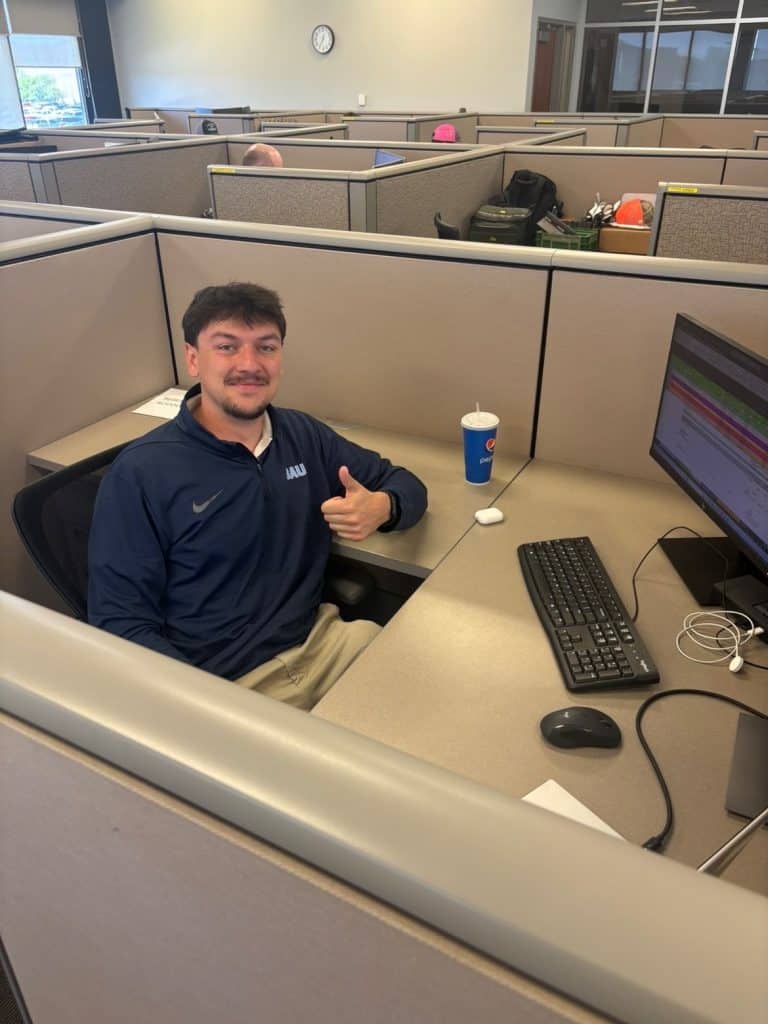
“We were actually really fortunate to find the place we did,” Fady said. “Compared to some apartments in the area, the rent is a lot more affordable, especially when it’s split between four people.”
Even with a steady income, Fady said living alone was never seriously considered.
“With rent prices and student debt, living alone just isn’t realistic right after graduation,” he said. “Having roommates makes it manageable and allows us to still have some independence without completely draining our finances.”
While sharing a house helps reduce costs, it also comes with its own set of challenges.
“Everyone has different habits and expectations when it comes to living together,” Fady said. “Things like cleaning, noise, and shared spaces can sometimes create tension. It’s something you have to learn to manage.”
Despite those challenges, Fady sees the situation as temporary.
“Eventually, I’d like to live on my own,” he says. “But right now, it’s just not in the picture. This is more of a stepping stone.”
These experiences reflect a broader shift happening across the country. Economic pressures, rising housing costs, and student debt are reshaping what life after college looks like for many young adults. Moving back home, once seen as a last resort, is now becoming a more common and accepted path.
For students like Langlois, that shift in mindset is important.
“I don’t think moving home means you’re failing,” she says. “If anything, it means you’re being realistic about your situation and making a smart decision.”
Still, the transition is not without its emotional challenges. Leaving behind the independence of college life, daily interactions with friends, and a familiar routine can be difficult, especially when the future feels uncertain.
“There’s definitely a mix of emotions,” Langlois says. “You’re excited for what’s next, but at the same time, it’s scary because everything is changing so quickly.”
As the Class of 2026 prepares to graduate, one thing is clear: the path after college is no longer one size fits all. While some graduates are able to move directly into independent living, many are redefining what independence looks like in today’s economy.
For now, living at home or with roommates is becoming less of an exception and more of the norm.
And for many graduates, independence may not begin with living alone, but with making the smartest financial decision for their future.