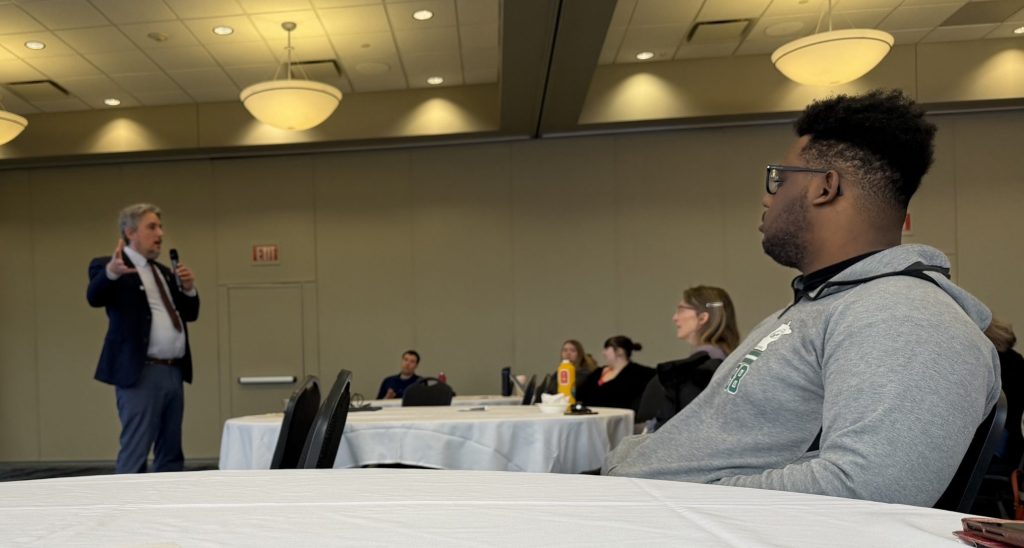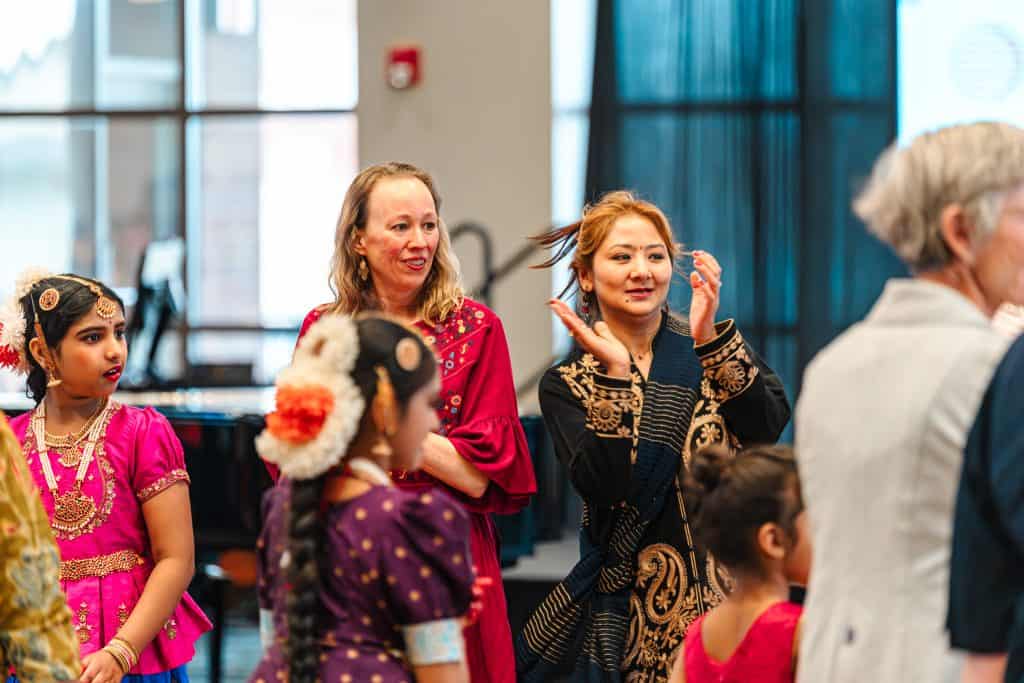
On March 29th, St. Ambrose held their annual World Culture Fair, presented by the Quad Cities World Affairs Committee, and brought to St. Ambrose by professors Jim Baumann and Duk Kim.
Each year, the committee welcomes organizations from the community that represent cultures from all around the world to showcase aspects of their culture and teach students and other attendees about where they come from and what they stand for. This year’s event featured tables from places all around the Quad Cities, but represented places all around the globe.
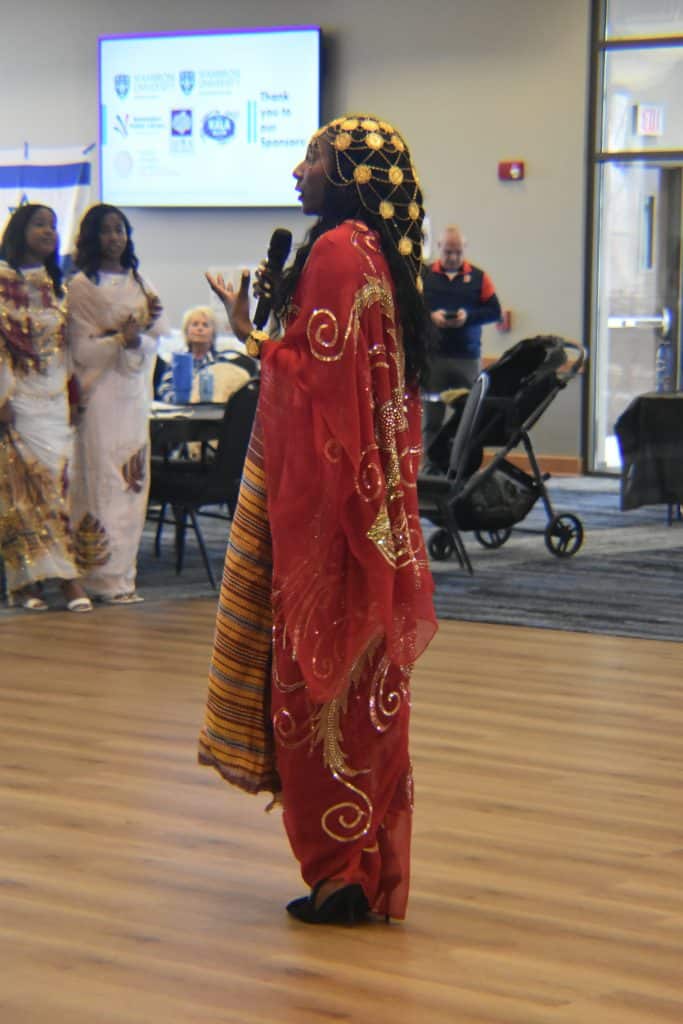
Organizations from around the community attended the fair, highlighting services, exhibits, and specific cultures. Open to the public, this event is perfect for students and families interested in learning more about the different cultures that make the world go round.
Cultural organizations like the German Heritage Museum attended, showcasing their new exhibit, The German Immigrant Experience, as well as World Relief Quad Cities, there to highlight their services for those who have immigrated to the US and found themselves in the Quad Cities.
Other organizations like WadiHowar and the World Affairs Council of the QC itself held booths as well.
Family-friendly was the name of the game at this year’s fair; kids had the opportunity to participate in cultural crafts, activities, and chances to learn about the cultures that make up the world around them.
“It’s such a good learning experience for kids,” says one father attending the event with his family. “They get to have fun and learn at the same time, I hope it’s something they remember fondly when they’re older.”
The centerpiece of the event was a local dance group performing ethnic dances, each one from a different culture than the last. They even brought up the audience to participate and learn some of them, creating a lasting cultural experience for everyone involved.
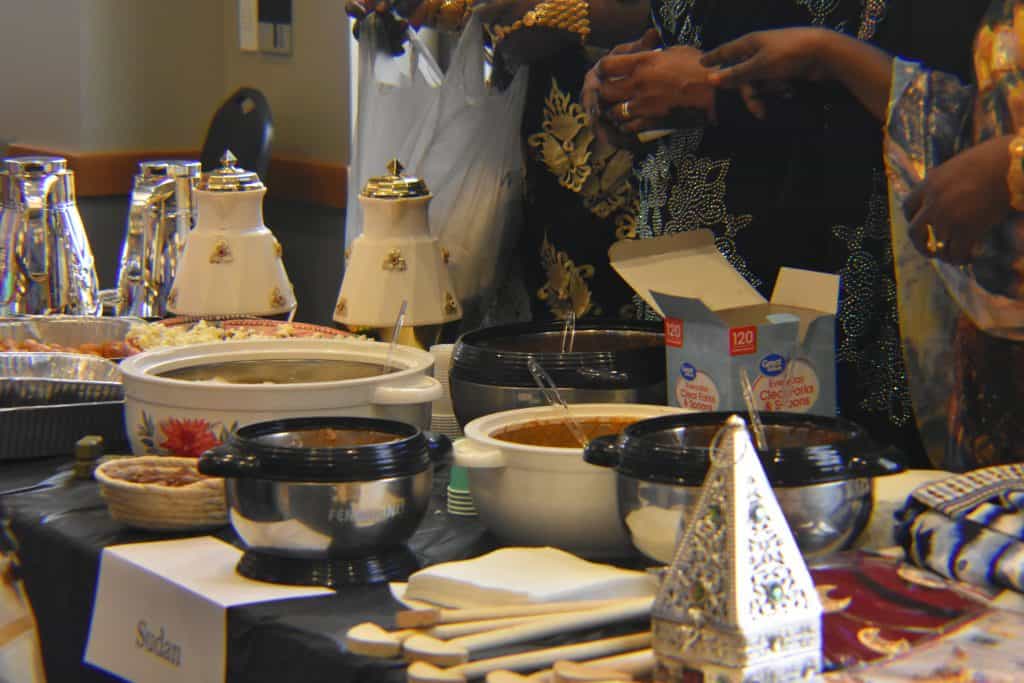
The walls of the Rogalski Ballroom were lined with booths, each representing a different country with an immersive experience.
Social Work major and senior student, Melissa Garcia, says, “I was able to stop by several booths and experience a little bit of each culture and try their delicious foods! I really enjoyed it!”
Tables like Ecuador featured llapingachos, a cheesy potato pancake, a common food in that culture.
Other setups, like the Native American table, displayed an interactive activity that allowed attendees to recreate small versions of Native American tools and instruments.
The presence of ICE around the country jeopardized the culture fair early on due to fears of gathering people at risk of being targets of Immigration & Customs Enforcement.
“Duk came to me a couple of weeks before the event and said, ‘Should we have it, should we not have it?’”, said Professor Jim Baumann. “We went and talked to Ryan Leabo, and he said we should have it. [Leabo] said the chances of having a situation like that are slim- it probably wouldn’t be at a public event like the World Culture Fair.”
Ultimately, the QCWAC and SAU went ahead with the event because representation is critical, especially during times like these. The decision to come together to celebrate different cultures rather than cancel it in fear speaks to the importance and power of representation.