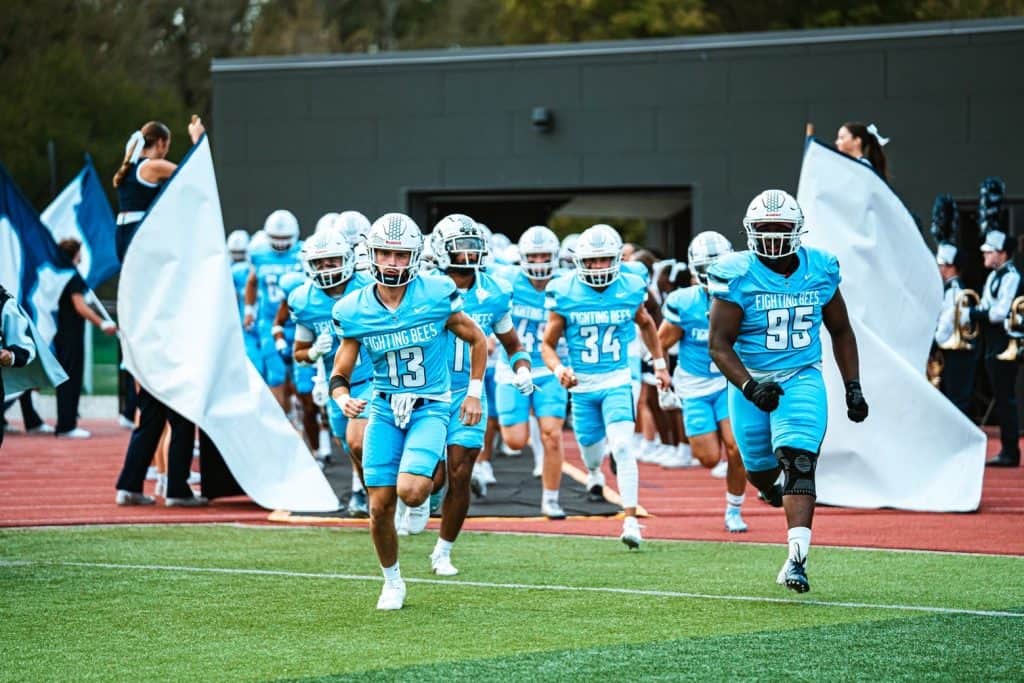
Photo Courtesy of Casper Altman.
By the time the spring semester reaches its midpoint, a quiet shift settles over campus.
It’s not something you hear. It’s something you feel. It shows up in slower mornings, crowded BeeHive lines, and students checking the calendar a little too often, counting down the weeks until summer. At St. Ambrose University, many students say spring semester burnout is real and hard to ignore.
Burnout Builds Mid-Semester
Sophomore Grace Fessler notices it in her daily routine. “Spring is honestly harder than fall,” Fessler says. “At the beginning of the year, everything feels new. But by this point, you are tired, and it feels like everything is piling up at once.”
From midterms to final projects, students say the workload intensifies just as their motivation starts to dip. The combination can make even simple tasks feel overwhelming.
Freshman Jackson Hofer says the hardest part is staying motivated. “It gets to a point where you are doing assignments just to get them done. You aren’t really as focused as you were at the start of the semester.”
For sophomore Tristen Smith, burnout is not just about academics. It is also about balance. “You are trying to keep up with classes, but also work, friends, and everything else. It just gets exhausting after a while. You don’t really get a break.”
Freshman Tyler Driver says the constant workload makes it difficult to recharge. “There is always something due. Even when you finish one assignment, you already have to start thinking about the next one.”
Balancing Work and Life
Many students point to the lack of multiple long breaks during the spring semester as a major factor. Unlike fall, which includes holidays like Thanksgiving and other scattered days off, spring typically offers only limited time off, such as spring break and, at some schools, a short Easter break, before moving quickly from the first day of classes to finals week with few opportunities to reset.
“You come back from winter break refreshed, but it does not last long,” Fessler says. “There is no real pause, so you just keep going until you burn out.”
Rachael Bauer says that feeling builds over time. “It kind of sneaks up on you. At first, you feel fine, but then you realize you are more stressed and more tired than usual.”
That burnout can look different for everyone. For some, it means procrastination or struggling to focus in class. For others, it shows up as stress, lack of sleep, or feeling disconnected from campus life.
“It is harder to stay engaged in class,” Hofer adds. “You want to be there, but your energy is just not the same.”
Finding Ways to Cope
Despite the challenges, students are finding small ways to cope. “I try to get outside more when the weather gets nicer,” Smith says. “Even just going for a walk helps clear your head a little.”
Driver says staying organized helps him manage the stress. “If I write everything down, it feels a little more under control. Otherwise, it is easy to feel overwhelmed.”
Others rely on leaning on friends for support. Additionally, Bauer said, “Talking to people really helps. Everyone is kind of going through the same thing, so it makes it feel less isolating.”
Faculty and campus resources also play a role in helping students manage stress. From academic support services to counseling, there are options available, but students say it can still be difficult to take that first step. “Sometimes you know there is help, but you feel like you do not have time to use it,” Smith says.
As the semester continues, many students are simply focused on pushing through. Fessler added, “There is definitely a light at the end of the tunnel. You just have to remind yourself that you will get there.”
With finals approaching and summer on the horizon, that reminder may be what keeps students going, one assignment, one class, and one day at a time.