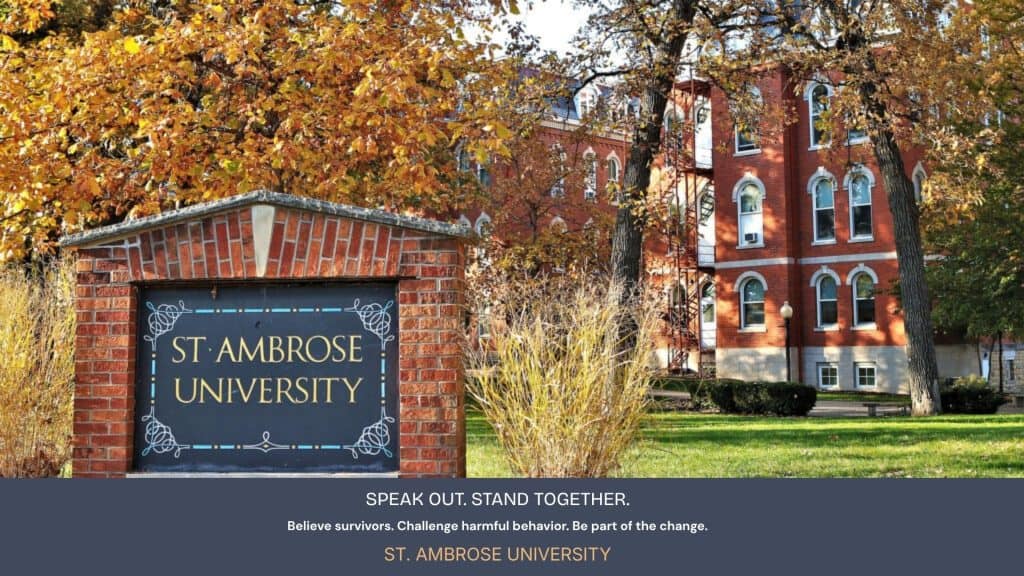
Graphic of St. Ambrose University. Graphic courtesy of Avery Lisk
The Cornell 7 case has raised serious questions about sexual assault, accountability, and campus safety.
The case is a high-profile controversy about surrounding allegations of a gang rape at a Cornell University New York fraternity in 2024.
For students at St. Ambrose University, the case brings attention to how young adults understand consent, protect one another, and respond when someone crosses another person’s boundaries. Conversations with students reveal concerns about accountability. They also address the role of male bystanders. The effects of alcohol and drugs show why education about sexual assault remains essential on college campuses.
One SAU student who did not feel comfortable sharing her name, expresses concerns about campus safety, accountability, and the importance of supporting survivors.
“My personal reaction to the Cornell 7 case is that it is heartbreaking and frustrating. College should be a place where students feel safe, respected, and protected, not a place where they must worry about experiencing sexual assault or whether someone will take their concerns seriously.”
Safe on Campus? St. Ambrose Students Speak Out
When discussing campus safety, students have different perspectives on what makes them feel protected. For junior sports management major, Lily Mosier, knowing that campus security is available provides reassurance.
“I know that I have security’s phone number on my phone, and I know if I call, they will answer,” Mosier says.
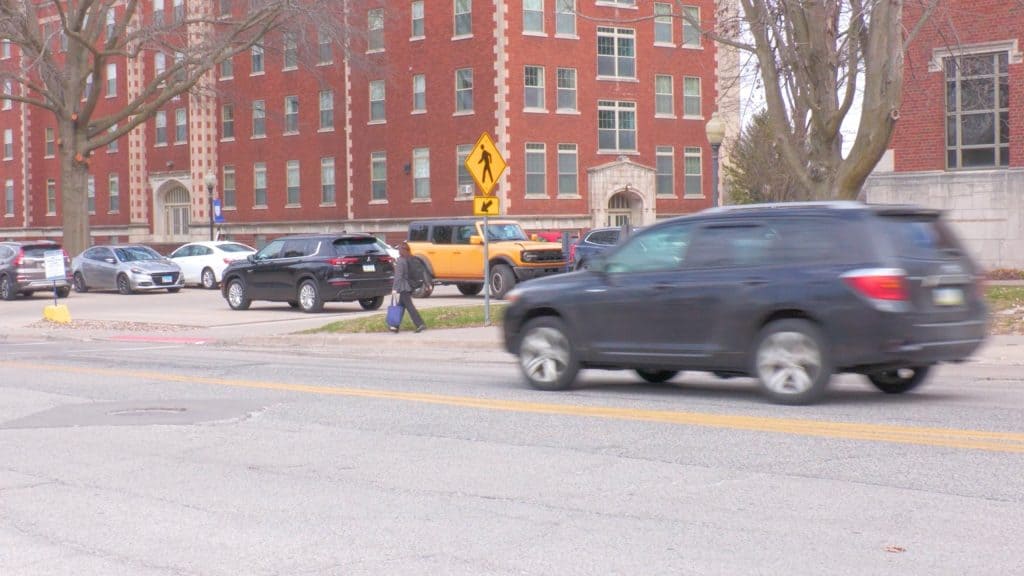
Sophomore Aj Holden also praised St. Ambrose University’s safety measures, highlighting campus security in parking areas and surveillance cameras in elevators.
Although having security access can help students feel safe, the Cornell 7 case also raises concerns about whether enough is being done to hold people accountable for sexual misconduct.
“I think more should have been done in the first place because right now all you’re telling those boys is that they can get away with doing it again,” Mosier says.
Another student who also did not feel comfortable sharing her name adds, “I feel that cases like this show how important it is to speak up when something is wrong and to support people who may be afraid to share their experiences. It is also upsetting to think that students might lose trust in their university if they feel their safety is not being prioritized.”
“I was shocked because I wasn’t aware that such heinous activities were happening on another campus,” Holden states.
“Reading about the case makes me feel angry and disappointed, especially because of the concerns about how the university handled the allegations. Students should be able to trust their school to take reports of sexual assault seriously and respond transparently,” another student added who did not want to share her name adds.
The St. Ambrose student says that it’s very unsettling how a student did not feel supported by their institution that was supposed to protect her.
Their response highlights a concern beyond individual cases. Institutions’ responses to sexual assault can influence whether students believe their safety and concerns are taken seriously.
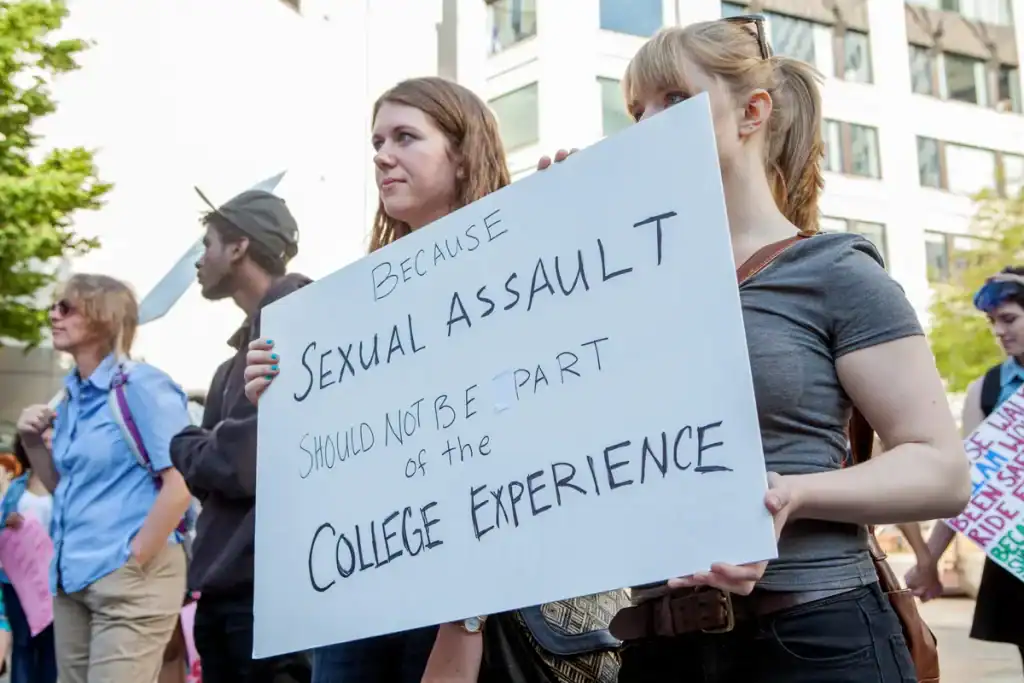
Beyond Brotherhood: St. Ambrose Men on Protecting Survivors of Sexual Assault
Knowing what is right and acting on it can become more difficult when a friend is involved. Students may feel pressure to protect their social group. Yet preventing harm sometimes requires challenging the behavior of people they know.
Sophomore Shawn Harris explained that his responsibility begins with paying attention to his surroundings and recognizing when someone may be vulnerable.
“I would say my responsibility to protect victims is to be cautious of my surroundings and reading situations,” Harris said. “I just want to make sure that everyone’s good, male or female and make sure that everyone is safe and gets home from the bars.”
When asked what he would do if a friend attempted to engage sexually with someone who could not consent, Harris said he would intervene.
“I would stop the interaction and tell them what they’re doing is wrong. If they continue to do it, I will get higher authorities involved.”
Aj Holden also agrees with Shawn’s view. He would step in and intervene if his friends engaged in similar behavior.
“I would definitely see my friend in a different light and make sure that anyone else affected was okay.”
Their responses reflect the importance of bystander intervention. Checking on someone who appears uncomfortable, getting help from trusted friends, and contacting campus security, when necessary, can help prevent a dangerous situation from escalating.
Harris similarly emphasized the importance of speaking up, even when the person behaving inappropriately is a friend. His comments suggest that accountability requires more than recognizing harmful behavior; it requires the willingness to challenge it.
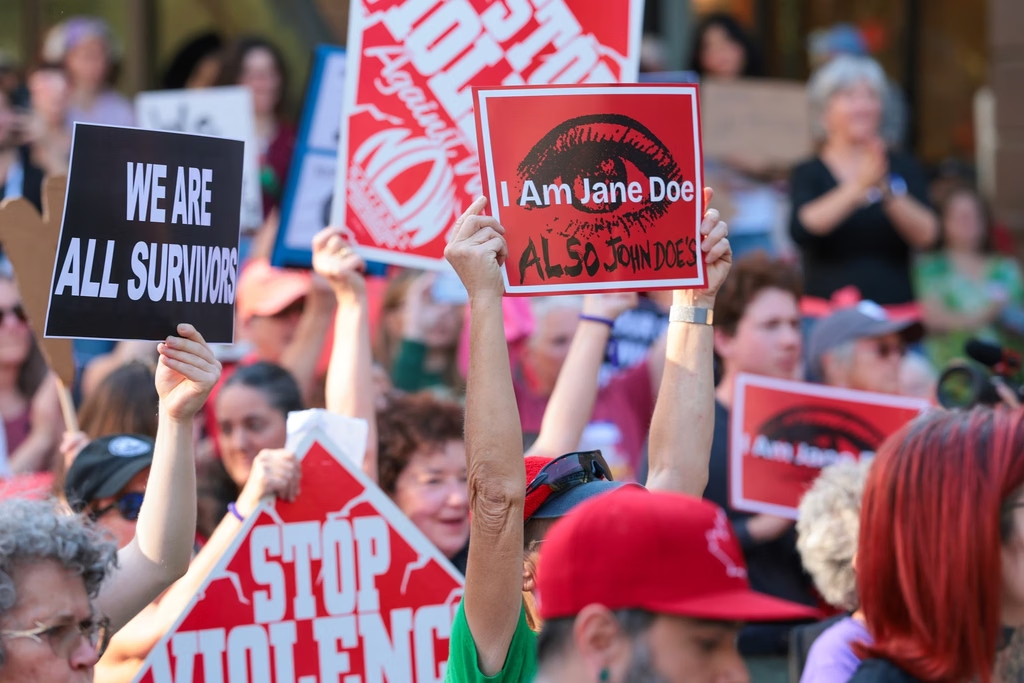
Consent Starts at Home: How Parents Shape Students’ Understanding
Alcohol and drugs can affect a person’s judgment, communication, and ability to make decisions. Recognizing the signs of intoxication is important, but students should understand that someone does not need to display obvious physical symptoms to be incapable of consenting.
When asked how to recognize when someone may not be able to consent, one student who did not want to share his name pointed to slurred speech, alcohol use, and changes in a person’s behavior.
“When someone has slurred words, or you can smell alcohol on their breath,” the student explains that people respond differently to drinking. He emphasized that alcohol should never be treated as an invitation to engage in sexual activity.
In an article for The New York Times, writers Christina Caron and Catherine Pearson discuss Victoria Wickman, a mother who recalled a conversation with her 16-year-old son, who assured her that he would never sexually assault anyone.
A candid discussion about consent followed. The discussion covered the risks of casual sex and how substances could affect his judgment. It also addressed his sense of right and wrong.
Holden adds. He says, “I have seen when alcohol gets out of control.” He notes it never reached the Cornell 7 case.
St. Ambrose students report, seeing college students near campus drinking and socializing can create the impression of the typical “college life,” where partying, drinking, and spending time with friends become a major part of the college experience.
However, intoxication is not the only factor that can affect consent. Certain drugs, unconsciousness, and other forms of incapacitation can also prevent a person from making a voluntary decision. When someone is unsure whether another person can consent, the appropriate response is to stop rather than assume agreement.
Understanding Consent Under the Influence
The Cornell 7 case raises important questions about accountability, education, and the responsibility college communities have to protect their students. The perspectives shared by St. Ambrose students demonstrate the importance of campus security, parental guidance, clear communication, and men holding their peers accountable.
Ultimately, creating a safer campus requires more than knowing the difference between right and wrong. It requires students to act when they witness harmful behavior, respect consent in every situation, and recognize that friendship should never come before another person’s safety.
For St. Ambrose University, students say the conversation should continue beyond the headlines. Students say they deserve an environment where their boundaries are respected, their concerns are taken seriously, and those who experience sexual assault can find support.
If you are a victim of sexual assault, RAINN offers 24/7 responses to help deal with the process, free and confidential support. The hotline number is 800‑656‑HOPE (4673), text HOPE to 64673, or visit their website: RAINN.org/hotline. When seeking support, don’t blame yourself.