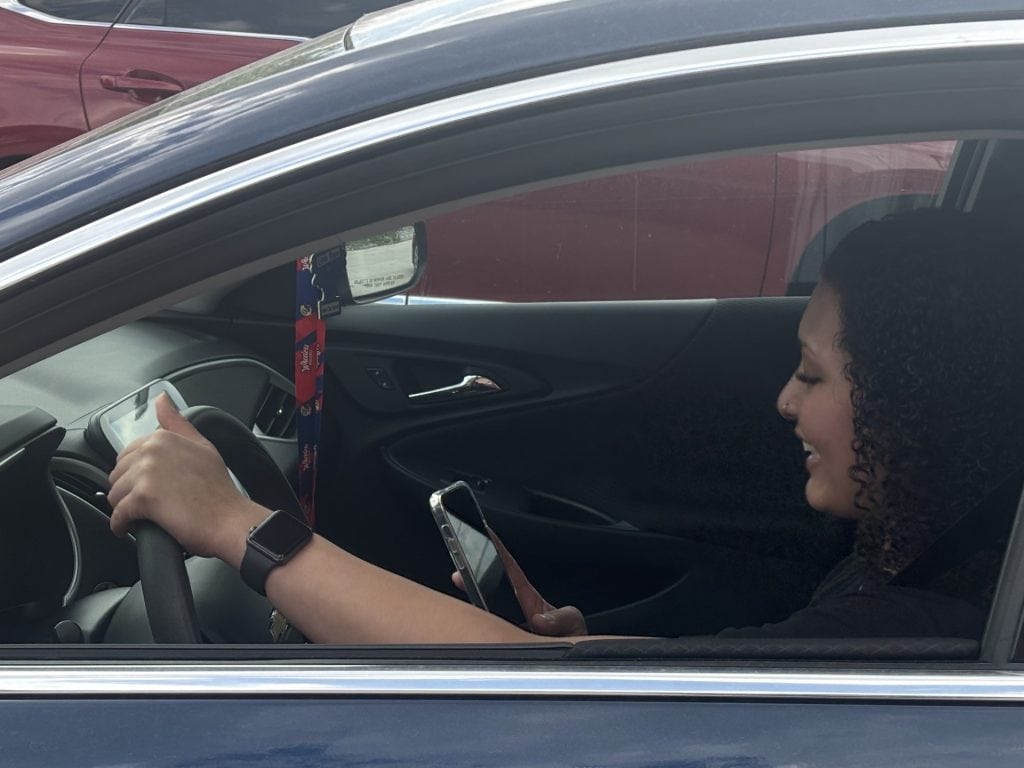
This photo is of Yashira Hutt, SAU Senior majoring in Forensic Psychology.
A new bill proposal in Iowa could allow community colleges to offer 4-year bachelor degrees.
While higher education leaders and legislators debate policy structure and funding, non-traditional and underserved students may feel the effects of legislation most directly.
For Yashira Hutt, SAU Senior majoring in Forensic Psychology, House Study Bill (HSB) 533 hits close to home.
As a non-traditional student who previously attended Eastern Iowa Community College (EICC), Yashira says, EICC’s smaller environment has made a meaningful difference in her educational experience.
“When I was at community college, it just felt like home.” She says more personal relationships with staff and smaller environments have made it easier for her to make friends.
Now commuting from Muscatine more than an hour a day to attend classes at SAU, Yashira says, the challenges quickly add up.
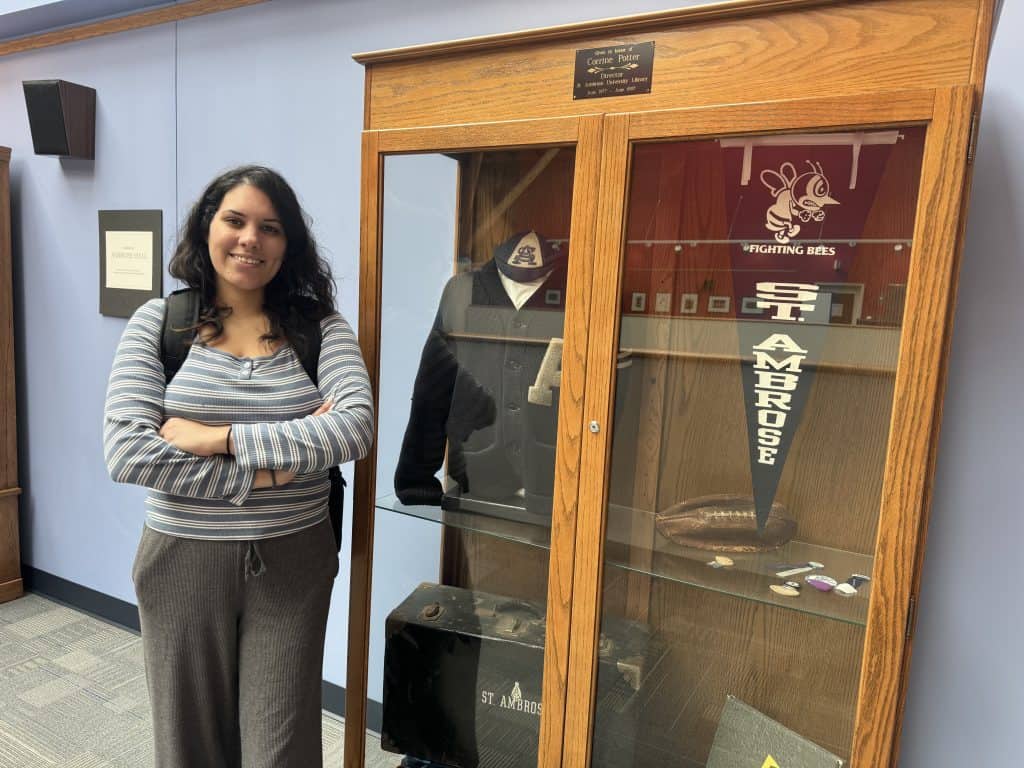
“Gas, mileage, childcare, class scheduling all adds up. Even a 30-minute drive can be restraining for some people.”
Yashira says that these barriers can be even more pronounced for students who are first-generation, working full time, raising children, or relying on limited transportation options.
She believes allowing community colleges to offer select bachelor’s degrees could expand access without undermining universities. Allowing students the freedom to get and education on their own terms.
“For some people, staying close to home is the only way they can make school work,” Yashira says. “Having that option could open doors for students who otherwise wouldn’t be able to pursue a four-year degree.”
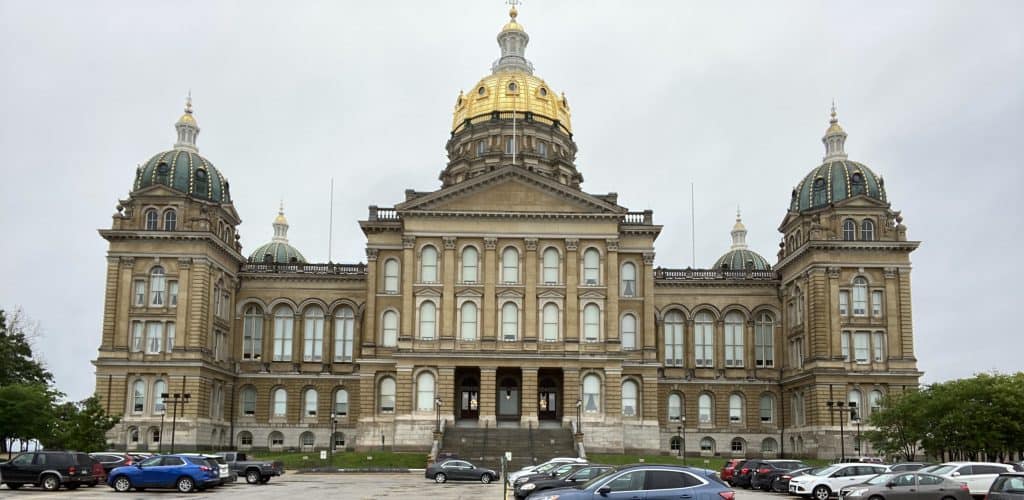
On January 28, 2026, the Iowa House Higher Education Committee passed House Study Bill (HSB) 533 with amendments that could reshape higher education across the state.
The original bill would allow all community colleges in Iowa the ability to offer bachelor’s degree programs.
However, HSB 533 was amended to only allow community colleges that are at least 50 miles away from the main campus of a public or private university already offering the same programs, to participate.
The proposed bill would allow eligible community colleges to launch a limited number of pilot bachelor degree programs. These programs must meet certain requirements and lead to jobs that are in high demand throughout Iowa’s workforce.
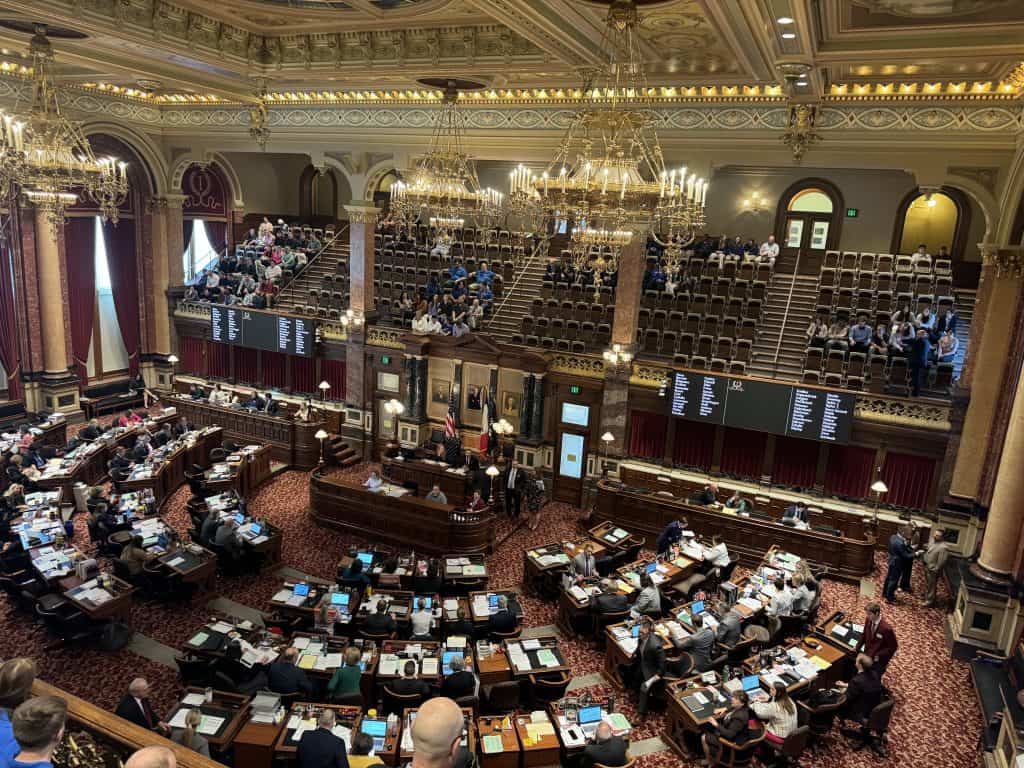
These new pilot programs can’t be offered fully online, and each college would be limited to only three pilot programs. Pilot programs would be temporary and reevaluated by the Iowa General Assembly after the first graduating class.
The purpose of the bill according to community college leaders at the meeting is to address what they describe as “education deserts” in Iowa.
Emily Shields, Community Colleges for Iowa Executive Director, said to the Iowa Capital Dispatch, the program is expansion of the community college’s mission.
Shields added that the higher education system is requesting grant funding of $20 million over a five-year period. The grant would help to cover start-up cost of hiring faculty, developing programs, and expanding facilities.
The bill has sparked discussion across Iowa’s higher education leaders and legislators. Each shares their own perspectives of support and concern about the bill.
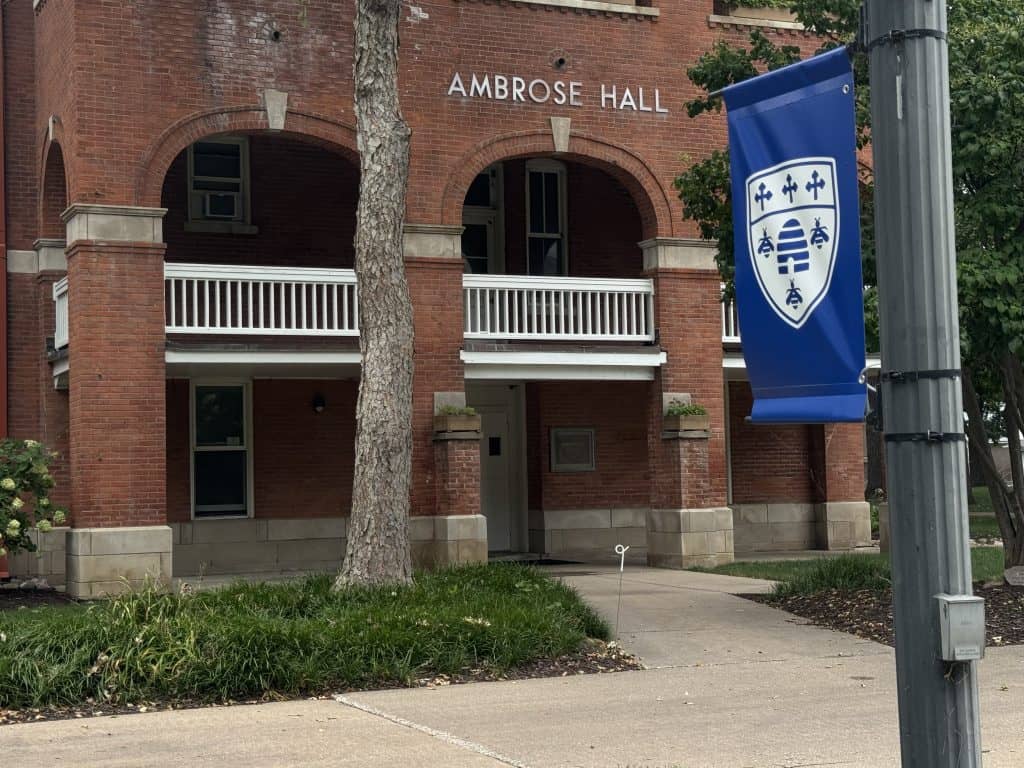
Saint Ambrose University (SAU) President Dr. Amy Novak responded to the Buzz and says, “St. Ambrose understands the bill as an effort to address workforce needs in Iowa.
“The university appreciates the goal of expanding access and strengthening talent pipelines.”
At the same time, she emphasizes the importance of strengthening the entire higher education ecosystem through more collaboration rather than creating unintended competition.
While the bill would not immediately change St. Ambrose’s academic offerings. Dr. Novak cautioned, “Decisions made today can set precedents that affect student choice, institutional sustainability, and collaboration over the long term…quality and mission-driven education must remain central.”
While the bill does not create direct competition with EICC, a Quad Cities Community College, because it sits within 50 miles of SAU’s campus, for other parts of Iowa, community college students may have to drive more than 50 miles for a four-year degree.
“The most common misunderstanding is the assumption that higher education is a zero-sum system.” Dr. Novak added. “Community colleges, private universities, and public universities each serve distinct and complementary roles.”
When asked what advice she would give to lawmakers, Dr. Novak says she would encourage polices that preserve academic quality, incentivizes collaboration, and include private institutions as active partners in Iowa’s work force development.
Dr. Novak noted that workforce shortages are often influenced by factors beyond academic programing. Citing factors like housing, childcare, and job flexibility.
Looking ahead to the future, Dr. Novak says, “Handled well, this moment could lead to a more coordinated and student-centered system,” she said. “Handled poorly, it risks fragmenting the system and narrowing educational choice.”
To read Dr. Amy Novak’s editorial about this proposed legislation, please click here.